

Everyone wants to grow their wealth, but making investment mistakes can keep you up at night. I’ve been there. The anxiety of losing money is real and it can feel overwhelming.
This article aims to cut through the noise. I will provide clear guidance on common investment pitfalls that can turn promising opportunities into losses.
You need practical insights, not theories. With years of experience in financial analysis and strategy development, I know what it takes to build lasting wealth.
I want you to understand how to systematically avoid traps that derail investment success.
You’ll find actionable advice here, the kind that can lead to smart decisions over time.
So, if you’re ready to handle these treacherous waters and boost your financial security, you’re in the right place. Let’s dive into the world of investment mistakes advice and turn your anxiety into informed action.
The Siren Song of ‘Get Rich Quick’: Taming Emotional Investing
Greed and fear wreak havoc on our wallets. We’re all guilty of it at some point (me included). When emotions take the wheel, you end up buying high and selling low.
The market knows how to mess with our heads.
FOMO (Fear Of Missing Out) is the real villain here. Ever jumped on a stock because everyone else did? That’s herd mentality at its finest.
Remember the dot-com bubble? People lost fortunes chasing the next big thing, only to crash and burn. It’s like we’re drawn to financial disasters.
Discipline isn’t just a fancy term. It’s your ticket to stability. A clear investment plan is a must.
Set goals and cling to them. The market will test you, but don’t flinch. Remember, crashes fade; your plan doesn’t.
Want a resource to ground your strategy? Check out these building wealth expert opinions. They’re packed with insights that won’t steer you wrong.
Pro tip: Keep emotions out. Write down why you invested in the first place. When the market yells, read it again.
You’ll thank yourself later. The secret isn’t chasing trends; it’s taming your impulses before they drag you into the abyss.
The Basket Conundrum: Unpacking Under-Diversification
Because life is unpredictable, and markets can be brutal. If you think a single bad stock can’t hit you hard, think again. When one asset tanks, it can drag your whole portfolio down with it.
Diversification is a fancy word for not putting all your money on one bet. It’s about spreading your investments across different asset classes, industries, and even geographies. Why?
Ever heard of market risk versus company-specific risk? Market risk affects all stocks, while company-specific is just that (specific to one. Diversification tackles unsystematic risk, which is risk unique to a specific company or industry.
You can’t eliminate all risks, but you can manage them.)
So how do you keep from making grave investment mistakes advice usually doesn’t cover? Mix it up. Get into stocks, bonds, real estate, maybe even a few alternative investments.
Index funds or ETFs can be your friends here. Plus, regularly rebalance your portfolio.
Remember, diversification isn’t risk-proof, but it’s a smarter way to preserve wealth over time. It’s like having a safety net. One you really shouldn’t skip if you’re serious about building wealth.
Investing Blindly: The Cost of Neglecting Due Diligence
Investing without a clue is like jumping out of a plane without a parachute. I’ve seen countless people trust media hype or hot tips without understanding what they’re buying. It’s a disaster waiting to happen.
You can’t just throw money at something because your barber said it’s the next big thing.
“Know what you own.” Ever heard that before? It’s key. You must dig into a company’s business model, check their financials (revenue, profit, debt), and understand the competitive field.
Don’t forget the management team. Those folks running the show. they’re the ones who can make or break your investment.
Want to avoid those investment mistakes advice articles? Start with the basics. Read annual reports (the 10-K isn’t as boring as it sounds).
Understand industry trends and valuation metrics. Assess if the company will still be around in ten years.
Superficial research leads to bad choices and regret. It’s like watching a single episode of “Succession” and thinking you understand corporate battles. Remember, good investing takes time and effort.
Don’t be lazy. Your future self will thank you.
The Futility of Forecasting: Market Timing Fails
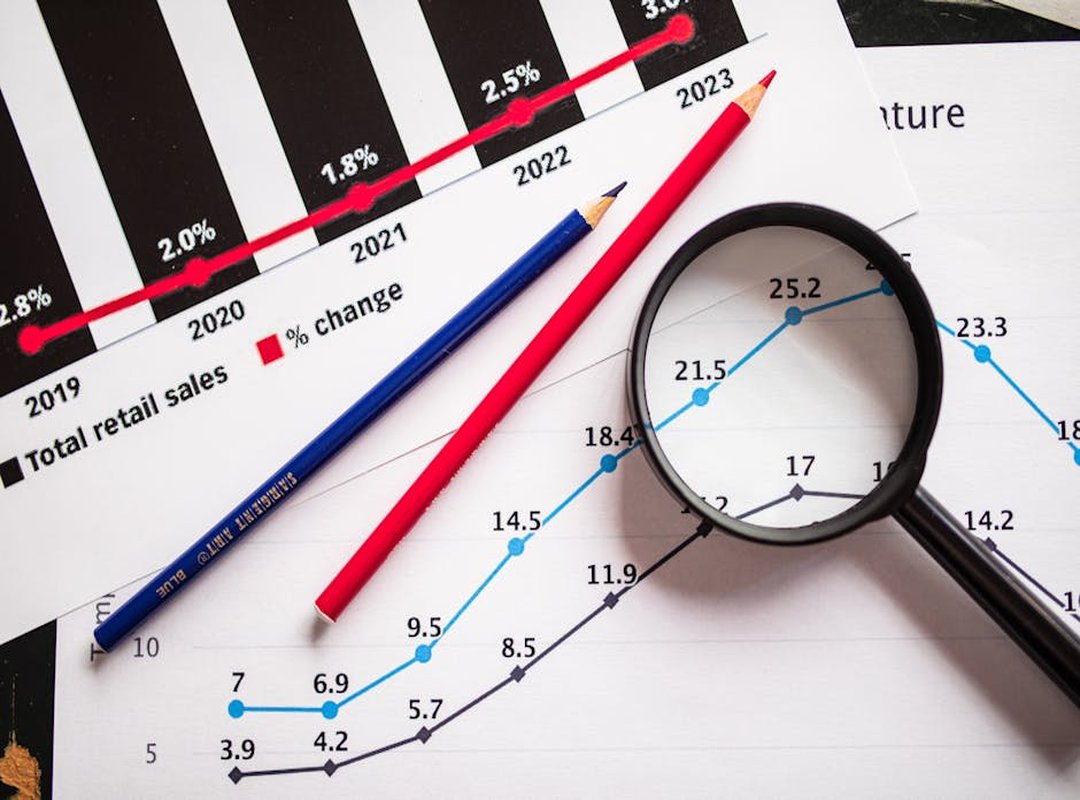
But here’s the harsh truth: market timing rarely works. Even seasoned professionals often miss the mark. Why?
Because the market is chaotic. Global events and economic data pop up like unpredictable waves. How can anyone consistently ride those?
Miss a few of the best-performing days and you’ll feel the sting. Imagine you’ve got a crystal ball (you don’t, but humor me). You sell just before the market drops, feeling like a genius.
Everyone thinks they can outsmart the market. It’s a tempting thought, isn’t it? Predicting market highs and lows seems like the golden ticket to wealth.
Then you hesitate, waiting for the perfect re-entry. The market recovers unexpectedly, leaving you scrambling. You missed out.
So what’s the better play? “Time in the market” trumps “timing the market” every day. Embrace dollar-cost averaging.
Buy consistently, regardless of market noise. Never panic sell. That’s true investment mistakes advice.
The prudent approach? Stay invested. Let your portfolio ride out storms.
Over time, consistent investing often beats sporadic trading. Trust me, I’ve been there. It’s not glamorous but pays off.
It’s like listening to a classic vinyl record: the skips are annoying, but the sound is timeless.
The Hidden Costs of Wealth: Fees, Taxes, and Inflation
Let’s not sugarcoat it: fees, taxes, and inflation are the silent killers of your wealth. You’re probably wondering how these sneaky costs can impact your investments over time. They creep in, unnoticed, and before you know it, your returns have shrunk.
It’s like being taxed for breathing. Annoying and inevitable.
Over decades, these small percentages compound negatively. It’s a punch in the gut when you realize how much you’ve lost.
Investment fees can look small, but they aren’t harmless. Expense ratios for funds, trading commissions, and advisory fees might seem minor. They aren’t.
Then there’s taxes. Capital gains, dividends, and interest eat at your profits. Tax-efficient strategies are key.
Using tax-advantaged accounts like IRAs and 401ks is smart. Why? Because keeping more of what you earn is everything.
Then, inflation. The silent killer of purchasing power. If your investments don’t outpace inflation, you’re actually losing money.
Financial folklore, right? Well, it’s real. So, do yourself a favor: pick low-cost investments, understand tax implications, and focus on beating inflation.
For more on avoiding these pitfalls, check out these finance experts key tips so you can skip the common investment mistakes advice and grow your wealth wisely.
Your Next Steps to Wealth
Now you have the important guidance to avoid common pitfalls. The path to wealth is tricky. Missteps can hurt your returns.
By applying emotional discipline, diversification, due diligence, a long-term focus, and cost awareness, you can protect and grow your capital.
Take a hard look at your investment strategies. Are they aligned with your goals?
Commit to continuous learning.
Consider seeking professional guidance to tailor these principles to your unique situation.
Don’t let investment mistakes advice go to waste. Start taking action today and watch your wealth build over time. Call now or reach out for personalized support.
 Founder & Chief Executive Officer (CEO)
Eldrin Selmorne is the visionary founder of Xuirme Jets, shaping its direction as a finance intelligence and strategy platform. With a strong background in financial systems and investment thinking, he leads the company’s long-term vision and growth strategy. As CEO, he oversees operations, partnerships, and innovation, ensuring the platform delivers high-value insights and actionable financial knowledge.
Founder & Chief Executive Officer (CEO)
Eldrin Selmorne is the visionary founder of Xuirme Jets, shaping its direction as a finance intelligence and strategy platform. With a strong background in financial systems and investment thinking, he leads the company’s long-term vision and growth strategy. As CEO, he oversees operations, partnerships, and innovation, ensuring the platform delivers high-value insights and actionable financial knowledge.