
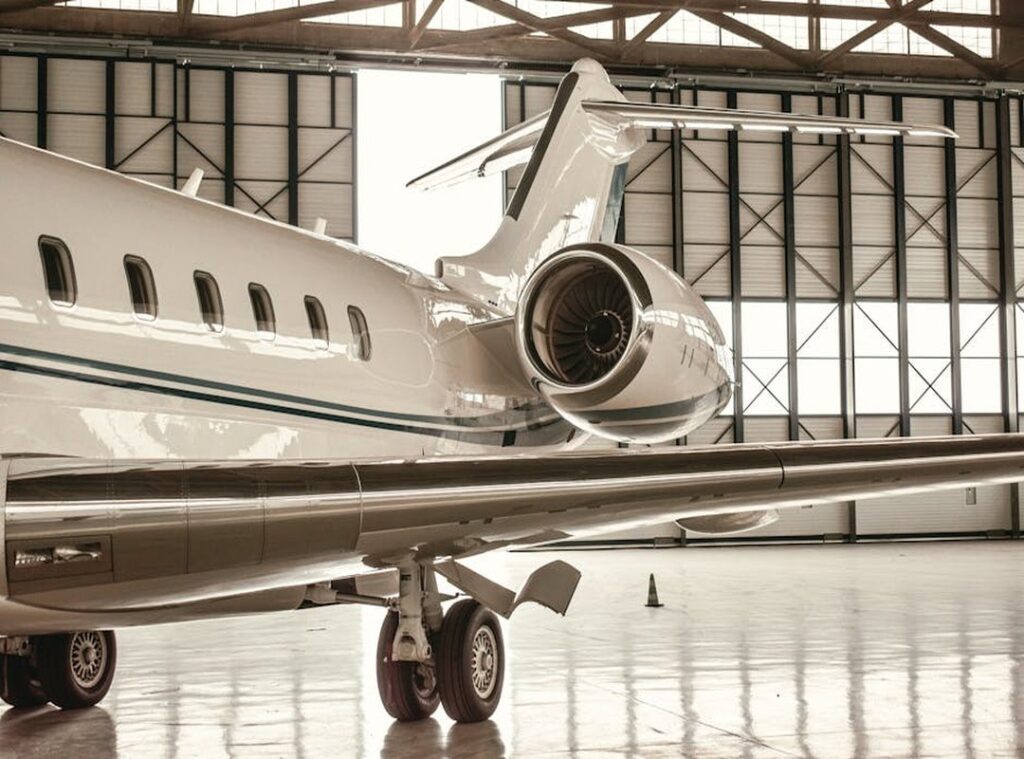
Aviation demands serious cash. Whether you’re managing a commercial fleet or a private jet, the capital commitment can be staggering. Yet, many operators miss out on aircraft leasing benefits.
They either tie up key funds or take on unnecessary risks because they don’t fully grasp the power of leasing.
I’ve spent years digging into aviation finance and analyzing what truly builds wealth in the jet market. I know how easy it is to overlook smart financial strategies. This piece aims to change that.
I want to the compelling advantages of aircraft leasing. You’ll discover insights that often get lost in the typical discussions about acquisition.
This article will give you clear definitions and practical benefits of leasing, satisfying your need to understand the topic. I’ll equip you with a framework to make informed, financially sound decisions. You’ll learn how to improve your capital and reduce risk in your aircraft operations.
Get ready to rethink your strategy.
Aircraft Leasing: A Strategic Investment Move
Aircraft leasing is simple. It’s a contractual agreement where you get temporary use of an aircraft without owning it. Think of it like borrowing a friend’s car instead of buying your own.
Now, let’s break it down. There are two main types: Operating Leases and Finance Leases.
Operating Leases are all about usage. They’re off the books, meaning they don’t clutter your balance sheet. Think short to medium term.
You’re essentially paying for the privilege of flying without the headache of ownership. Airlines love this because it offers flexibility. Why own when you can just use?
Finance Leases, on the other hand, resemble buying. It’s on your balance sheet and typically long-term. You’re committing, and it feels like purchasing.
Corporate flight departments often go this route when they know they need the aircraft for the long haul.
This approach aligns perfectly with modern wealth management. You control the asset without the burden of owning it.
Now, why lease at all? It’s a strategic shift from ownership to utilization. Smart, right?
In essence, understanding aircraft leasing benefits can transform how you view asset management. It’s a game-changer for those willing to think outside the box.
Capital Moves: Leasing’s Hidden Edge
Forget about sinking all your cash into buying aircraft. Leasing is the smarter move. Why?
That freed-up capital can drive your business forward. Whether it’s expanding operations, investing in tech, or diversifying your portfolio.
It slashes the massive upfront cost, letting you dodge the financial hit of owning. Think of it like renting an apartment instead of buying a house. You keep your money free for something more exciting.
Doesn’t that sound like a better strategy? Keep the cash flowing and your balance sheet healthy. It’s important for stability and growth.
You want to keep the lights on and have some left to play with. Imagine expanding your fleet without draining your bank account. You lease a few jets and still have funds for other key needs.
This is the aircraft leasing benefits in action.
Here’s a hypothetical: A company leases a few planes and uses saved capital to boost marketing. Suddenly, they’re pulling in new business without the financial strain. It’s a classic win-win.
Plus, when it comes to aviation investments know, preserving capital is king.
Why tie up assets in heavy purchases when you can allocate strategically? The wealth-building mindset focuses on preserving capital and making it work harder elsewhere. It’s about playing the long game, not just owning for the sake of owning.
Shielding from Market Madness: Fleet Flexibility Done Right
Owning aircraft can be a financial rollercoaster. One minute your plane’s worth a fortune, the next it’s depreciating faster than you can say “turbulence.” That’s where aircraft leasing benefits come into play. Leasing shields operators from the wild swings of aircraft residual values.
Let’s talk about technological obsolescence. It’s a fancy term for being stuck with outdated tech. Leasing lets you upgrade to newer, more fuel-efficient models at the end of a lease.
You avoid the harsh sting of market depreciation. Protecting your financial health as if you’ve got an insurance policy against volatility.
It’s like swapping your old flip phone for the latest smartphone. Why get stuck in the past when the future’s right there for the taking?
And don’t forget the flexibility. Leasing provides unmatched fleet adaptability. Need to expand your capacity quickly?
Done. Have to scale back? Easy.
You don’t get bogged down with the headache of selling or remarketing owned aircraft. This flexibility is often a competitive edge, allowing operators to zig while others zag.
Want more insights? Check out the pros and cons of aircraft leasing. It’s a smart move (a prudent risk management strategy in a world where market conditions can change faster than a jet at takeoff.
It’s about protecting your long-term financial health and keeping your business agile.)
Simplified Budgeting: The Key to Predictability

When it comes to aircraft leasing benefits, predictable monthly lease payments are a game changer. They make financial forecasting feel like less of a guessing game. You know what you’re paying each month.
No surprises. can you really put a price on that peace of mind? i don’t think so.
A lot of operating leases bundle maintenance, insurance, and other costs into the agreement. This approach simplifies everything, reducing unexpected expenses and cutting down on the paperwork. If you’ve ever been blindsided by an unexpected bill (who hasn’t?), you’ll appreciate how much easier this makes life.
There’s also the tax angle. Lease payments can be fully deductible as operating expenses, depending on where you are and what type of lease you have. Compare that to dealing with depreciation schedules for owned assets.
It’s like night and day.
This predictability lets finance departments allocate resources more effectively. Think about it: less need for a giant contingency fund for unforeseen aircraft costs. You can turn those variable and complex costs into transparent, manageable line items.
In the world of finance, “prudent” isn’t just a word (it’s a way of life. And that’s the real benefit here. You’re not just managing costs; you’re turning them into something you can plan and predict.
Now, doesn’t that sound like a smart move?)
Aircraft Leasing: The Growth Catalyst
Leasing aircraft is a game-changer. You get access to modern technology without straining your finances. That’s the secret sauce for many operators.
Who wouldn’t want the latest models without the hefty price tag? Smaller operators, especially, get a leg up here. They can compete with the big players by offering modern fleets.
No massive initial investments needed. It’s a smart move.
Think about this: you can rapidly scale your fleet to match market demands. Add a plane today, remove one tomorrow. Flexibility is key in aviation.
Leasing offers that flexibility. It’s not just a cost-saving measure. It’s a wealth-building strategy.
Opportunities are everywhere in this market. You just need the agility to seize them.
And if you’re curious about the ins and outs of maximizing your assets, check out this jet ownership maximizing asset. It’s all about making strategic moves in aviation. Are you ready for the future?
Smart Moves in Aviation
Understanding the aircraft leasing benefits is important for any operator aiming for financial prudence. The high costs and complexities of aircraft acquisition can weigh you down. Leasing can lighten that load by improving capital, reducing risk, and making sure flexibility.
Don’t overlook how leasing can fit into your long-term strategy. Evaluate it critically and take action. Now is the time to explore your options.
Your financial future depends on it.
 Founder & Chief Executive Officer (CEO)
Eldrin Selmorne is the visionary founder of Xuirme Jets, shaping its direction as a finance intelligence and strategy platform. With a strong background in financial systems and investment thinking, he leads the company’s long-term vision and growth strategy. As CEO, he oversees operations, partnerships, and innovation, ensuring the platform delivers high-value insights and actionable financial knowledge.
Founder & Chief Executive Officer (CEO)
Eldrin Selmorne is the visionary founder of Xuirme Jets, shaping its direction as a finance intelligence and strategy platform. With a strong background in financial systems and investment thinking, he leads the company’s long-term vision and growth strategy. As CEO, he oversees operations, partnerships, and innovation, ensuring the platform delivers high-value insights and actionable financial knowledge.