
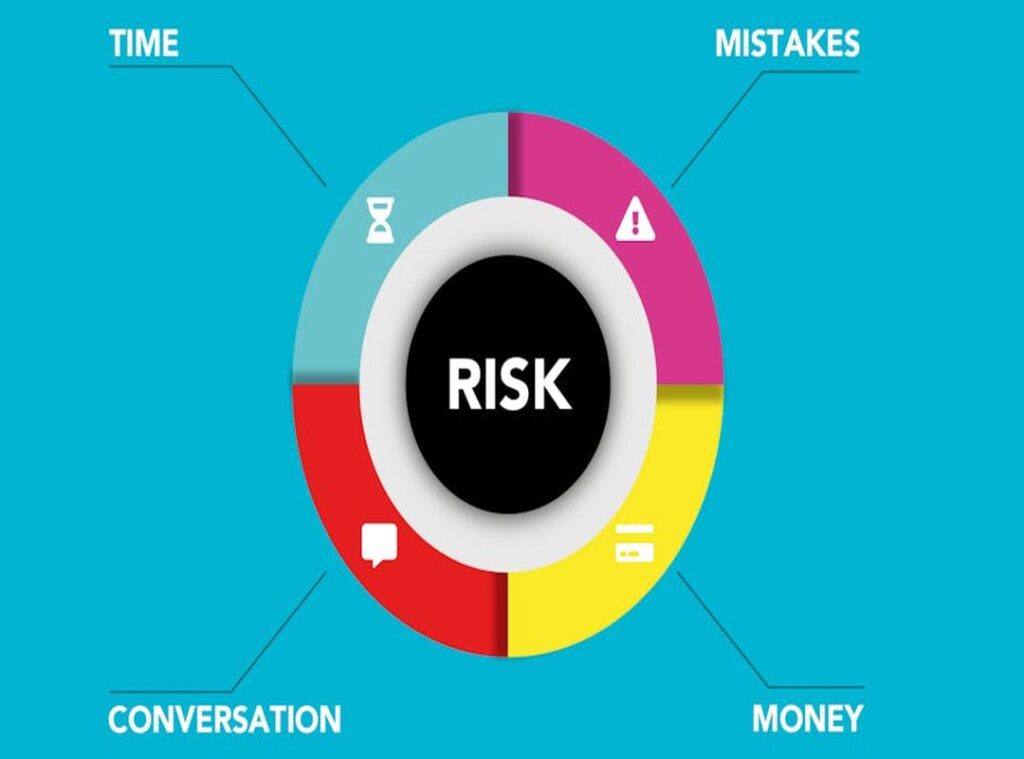
When it comes to investments, the fear of loss can be paralyzing. You want to grow your wealth, but risks lurk around every corner.
I’ve been there. I know how overwhelming it can feel.
That’s why understanding risk management investments is key. It’s not just about picking the right stocks or funds. It’s about strategically protecting your assets while still aiming for growth.
So how do you do this effectively?
In this article, I’ll break down key strategies that can help you handle the investment field with confidence. I’ll share insights based on real-world experience and data.
You’ll learn how to assess your risk tolerance and tailor your investment approach.
This isn’t just theory. I’ve seen these techniques work. By the end, you’ll have actionable steps to manage your risks and improve your investment performance.
Get ready to take control of your financial future.
Demystifying Investment Risk: What You Need to Know
Investment risk is like predicting the weather. Sometimes it’s sunny; other times, you’re caught in a storm without an umbrella. Simply put, it’s the chance that what you expect to earn differs from what you actually get (and yes, losing your hard-earned money is part of that).
Let’s break it down. Market risk is the wild ride of stocks; prices swing with every headline. Ever seen a rollercoaster?
It’s the seesaw of finance. And don’t forget inflation risk. Over time, what you can buy with a dollar shrinks (like your favorite candy bar getting smaller every year).
That’s it. Then there’s interest rate risk. When rates go up, bond prices fall.
Now, liquidity risk is trying to sell something fast without a big price cut. Imagine unloading a couch online. Lastly, credit risk is the chance a borrower won’t pay up.
Think of it as lending money to that flaky friend who forgets their wallet.
Understanding these risks is key. It’s the first step in risk management investments. Look at history.
Past market downturns show why you must be prepared. Knowing risk isn’t just smart; it’s important. Are you ready to manage it?
Building a Resilient Portfolio: Diversification & Allocation
Diversification is important in risk management investments. You know the saying, “Don’t put all your eggs in one basket”? It’s about spreading investments across different asset classes, industries, and geographies.
Why? Because when one sector takes a hit, others might stay steady or even rise. You combine stocks, bonds, real estate, and commodities to create a balanced approach.
This mix can cushion you against market volatility.
Asset allocation goes hand in hand with diversification. It’s about strategically dividing your investments among different asset categories. Think of it like this: an investor might choose 60% stocks and 40% bonds based on their risk tolerance and time horizon.
Stocks might offer growth, while bonds can provide stability during downturns.
Here’s a quick example: When the stock market dips, bonds often provide a safe harbor. This balance keeps your portfolio from swaying too wildly. But don’t just set it and forget it.
Periodic rebalancing is key. It makes sure no single asset overshadows others due to strong performance.
Interested in sustainable options? Check out how green investments pay off in today’s market. It’s a smart addition to any diversified strategy.
Mitigating Volatility: Tackling Market Uncertainties
When it comes to risk management investments, dollar-cost averaging (DCA) is a strategy I swear by. It’s simple: invest a fixed amount at regular intervals, regardless of how the market’s behaving. This way, you buy more shares when prices are low and fewer when they’re high.
Over time, it brings down your average cost per share.
Consider long-term investment horizons. They buffer against short-term market swings. Patience and consistency here are key.
The market might panic, but if you’re in for the long haul, those blips are just minor hiccups. Historical data backs this up too. Investors who stick it out often outperform those trying to time the market.
Now, let’s talk ‘defensive’ investments. Allocate part of your portfolio to less volatile assets or sectors, like utilities or consumer staples. They tend to hold their ground during downturns.
Ultimately, it’s about strategy and staying informed. Don’t just react (plan. Volatility isn’t the enemy, it’s the field.
But what about tech? These stocks can be volatile, yet offer substantial growth potential. It’s worth exploring tech stocks worth investing in for diversification.
Equip yourself wisely and use these techniques to handle it.)
Protecting Your Capital: Stop-Loss Orders and Hedging Basics

Ever heard of stop-loss orders? They’re a lifesaver for your wallet. A stop-loss order is an instruction to sell a security when it hits a certain price.
It’s like having a financial safety net. Say you buy a stock at $100. You set a stop-loss at $90.
If the stock drops to $90, it gets sold automatically. This limits your loss to 10%. Pretty neat, right?
But here’s the kicker: it might trigger during temporary market dips. So, you might sell at $90, and then watch the stock bounce back to $110 the next day. Frustrating?
Absolutely.
Now, let’s talk hedging. Think of it as insurance for your portfolio. You offset potential losses by taking an opposite position in a related asset.
One simple way? Use inverse ETFs. These funds profit when an index declines, giving you broader market protection.
When it comes to risk management investments, combining stop-loss orders with hedging can be a smart move. But don’t just take my word for it. Dive deeper into strategies that work for your financial goals.
Capital preservation isn’t just about playing defense. It’s about knowing when to act and being ready for market moves.
Continuous Oversight: Invest Like a Pro
You’ve got to keep an eye on your investments. Seriously. Regular monitoring (annually or even quarterly) isn’t optional.
It’s important. Why? Because your financial goals and market conditions are constantly shifting.
Evaluating your portfolio against these, not just broad market indexes, is what smart investing is all about.
Thinking about a career switch, retirement, or maybe expanding your family? Your investment strategy should adapt to these life changes. I’m not saying overhaul everything.
But be flexible where it counts. The same goes for economic shifts (keep your portfolio agile.)
Now, here’s where it gets tricky: behavioral discipline. This means no panic selling when things look grim or chasing the latest stock craze. Stick to a pre-defined, data-driven strategy.
Volatility is part of investing, no need to jump ship every time the market wobbles.
Pro tip: Keep an investment journal. Track your decisions and their outcomes. It builds a data-driven approach, promoting better personal investment behavior.
It’s simple yet powerful.
Here’s the kicker: risk management investments. They aren’t just buzzwords. They are the backbone of a stable financial plan.
Make sure your approach reflects that reality. Stop guessing and get strategic. It matters.
Handle Your Investment Risks with Confidence
Understanding and applying these risk management investments lets you tackle market complexities head-on. The reality is that investing comes with risks, and it’s key to protect yourself proactively. The strategies I shared.
Assessing risks, diversifying wisely, executing with discipline, and adapting continuously work because they’re built on solid principles. Now it’s time to take action. Start by reviewing your current portfolio and identifying gaps.
Help yourself to control your financial destiny. Don’t wait for the market to dictate your future. Take the first step now and build resilient wealth today.
Your future self will thank you.
 Senior Financial Analyst & Investment Strategist
Jyxilon Pell serves as the Senior Financial Analyst at Xuirme Jets, specializing in investment research, financial modeling, and strategic insights. She plays a key role in breaking down market trends, analyzing financial data, and transforming it into clear, actionable strategies for users. Financial analysts are responsible for forecasting, budgeting, and guiding decision-making through data-driven insights.
Senior Financial Analyst & Investment Strategist
Jyxilon Pell serves as the Senior Financial Analyst at Xuirme Jets, specializing in investment research, financial modeling, and strategic insights. She plays a key role in breaking down market trends, analyzing financial data, and transforming it into clear, actionable strategies for users. Financial analysts are responsible for forecasting, budgeting, and guiding decision-making through data-driven insights.