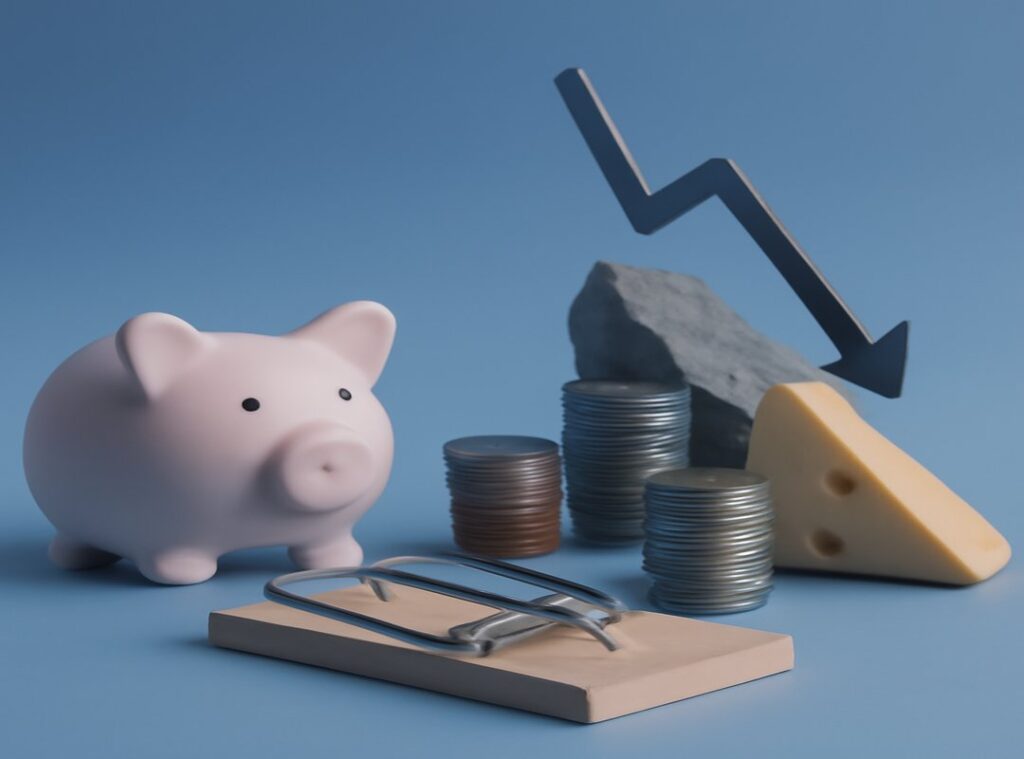
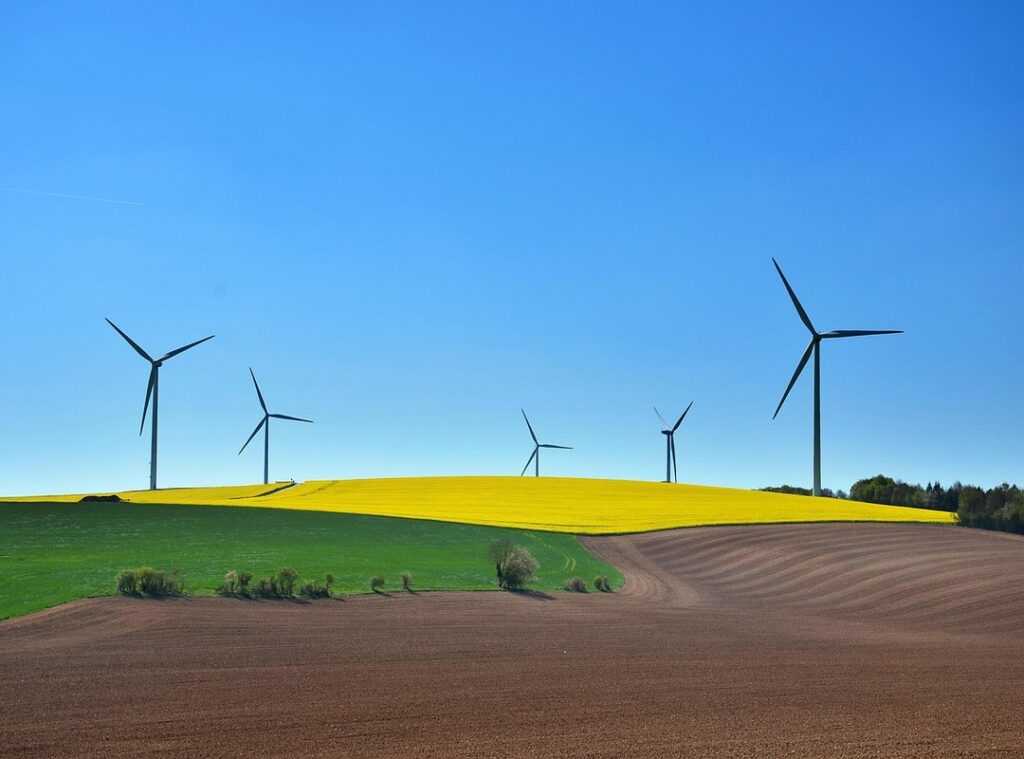
Are you looking to grow your finances without compromising your values or the future of our planet? Many people think that wealth creation and environmental responsibility are at odds. This creates a dilemma for those of us who want to invest consciously.
You shouldn’t have to choose one over the other. This guide is based on real analysis of market trends and strategies in sustainable finance. It shows how you can achieve sustainable wealth building while making a positive impact.
I’ll break down what eco-friendly wealth creation means and give you actionable steps to weave sustainability into your financial plan. Even if you’re new to investing, you’ll find this approach accessible. and explore how you can grow your wealth without sacrificing the Earth.
Eco-Friendly Wealth Creation: Grow Green, Not Just Your Green
Sustainable wealth building isn’t just a fancy term. It’s about making money and saving the planet at the same time. I mean, who wouldn’t want that?
This approach means investing in companies and projects that have a positive (or at least neutral) impact on our environment. But let’s get one thing straight: it’s not about falling for greenwashing. That’s when companies make exaggerated claims about being eco-friendly without really doing much.
You’ll want real, measurable impact. So how do you spot the real deal? Look for investments in renewable energy projects or companies that promote sustainable practices, like Tesla with electric cars or Beyond Meat with plant-based products.
Why now, you ask? Well, the world is waking up to global challenges like climate change (finally, right?). There’s a growing demand for options that are both eco-conscious and profitable.
And guess what? It’s not just about making a buck. There’s a sense of purpose here too.
You can do well financially and feel good knowing you’re part of a larger solution. That’s the kind of wealth creation we should all be striving for.
Unlocking ESG: The Key to Green Investing
When it comes to sustainable wealth building, ESG is the buzzword of the day. But what does it really mean? ESG stands for Environmental, Social, and Governance.
It’s a system, a checklist if you will, that assesses how “green” an investment really is. Let’s break it down.
First, the “E” in ESG focuses on the environment. Are companies cutting their carbon footprint? Are they managing resources smartly?
I love seeing firms investing in renewable energy. It’s like watching Captain Planet in action (minus the cheesy lines).
Next up, “S” for Social. This part’s all about people. How’s a company’s labor policy?
Do they care about product safety? Diversity matters here, too. Remember when Google faced backlash over its diversity issues?
Exactly.
Finally, “G” is for Governance. A key part of investing, this evaluates transparency and ethics. It’s about honest accounting and respecting shareholder rights.
If a company’s board is more secretive than a spy movie, that’s a red flag.
Now, how do investors use ESG? They look at scores and reports. It’s not just about profit.
It’s about trust. Curious about Avoiding Pitfalls Wealth Management? There’s a whole world to explore there.
Building a Green Portfolio: Your Path to Sustainable Wealth
So, you’re thinking about sustainable wealth building? Smart move. First, to sustainable stocks.
You need to look for companies with clear environmental commitments. I mean, do they publish sustainability reports? Certifications matter too.
Like LEED or ENERGY STAR.
Now, let’s chat about green bonds. They’re pretty neat. You’re lending money to environmental projects and, in return, you get interest.
It’s like being paid for being eco-friendly. For easier diversification, check out Exchange Traded Funds (ETFs) and mutual funds focused on ESG criteria. They bundle several investments together, so you’re not putting all your eggs in one basket.
Don’t you want a safety net?
Eco-conscious real estate is another path. Think energy-fast homes or sustainable property development. These investments can offer financial returns and help save the planet.
Honestly, who wouldn’t want to make money while doing good? Plus, if you’ve ever seen a solar-powered house, you know it’s fascinating.
For the bold, there’s supporting green startups. I’m talking about clean tech and sustainable agriculture. Yes, it can be riskier.
But the rewards? Potentially massive. If you’re willing to ride the wave, this could be your jackpot.
Remember, investing is personal. It’s about aligning with your values and goals. Whether it’s stocks, bonds, or real estate, choose what’s right for you.
Happy investing!
Break the Bank: Simple Steps for Sustainable Wealth
When it comes to money, I believe your choices should reflect your values. Picking a bank or credit union that invests in green initiatives can align your finances with your beliefs. Think about it: why not let your money do some good while it sits there?

Then there’s conscious consumption. Do you really need that latest gadget? Investing in durable, eco-friendly products might cost a bit more upfront, but you save money and reduce waste in the long run.
It’s a win-win, really.
Supporting local and sustainable businesses is another way to put your dollars to work. When you buy local, you’re not just getting fresher products (you’re) boosting your community. Plus, you’re contributing to the green economy, which is something we could all use more of.
At home, small changes can lead to big savings. Swapping out incandescent bulbs for LEDs or upgrading to a smart thermostat? These cut your utility bills but reduce emissions.
Less waste equals more savings.
For more ideas on sustainable wealth building, start making these everyday changes!
Eco-Friendly Investments: Maximize Your Impact
Addressing profitability concerns right off the bat, eco-friendly investments aren’t just feel-good options. They’re often outperforming traditional benchmarks over time. It might surprise you, but sustainable companies show resilience like no other.
Trends back me up on this, so don’t just take my word for it. You want reliable information? Head to reputable financial news sources and dive into sustainability reports.
Specialized platforms are goldmines too.
But where do financial advisors fit in this picture? Well, if they specialize in ESG (Environmental, Social, and Governance) or sustainable investing, they can tailor your portfolio to your goals and values. It’s like having a personal chef who knows your taste buds better than you do.
Imagine that.
Now, if you’re serious about sustainable wealth building, you need to measure your impact. Not just in dollar signs. Use available tools and reports to track how your investments benefit the planet and society.
Let’s talk long-term vision. Eco-friendly wealth creation isn’t a sprint. It’s a marathon.
It builds a resilient portfolio and contributes to a better future. Curious about navigating market volatility advice? Check out navigating market volatility advice for more takeaways.
Your Next Step Toward Sustainable Wealth
You’ve got a solid grasp on what eco-friendly wealth creation is all about. You can see how to build a sustainable financial future.
The struggle to balance financial growth with environmental responsibility is real. But trust me, a clear path exists.
When you align your investments with eco-friendly principles, you’re not just stacking up your wealth. You’re making a genuine difference for the planet.
Why wouldn’t you want both?
Start small. Explore one of the strategies we discussed today. Research an ESG fund or check your banking choices.
Even cutting down on energy use at home is a step in the right direction.
Take that first step toward sustainable wealth building.
You’re not just enriching yourself; you’re contributing to a healthier world.
So what are you waiting for? Dive in and start making those changes today.
 Financial Advisor & Budgeting Specialist
Wynovox Vine operates as a Financial Advisor at Xuirme Jets, focusing on budgeting systems, wealth management strategies, and practical financial guidance. His role involves helping translate high-level financial insights into real-world applications for users, including personal finance planning and resource allocation. Financial advisors typically guide clients in investment decisions, budgeting, and long-term financial planning.
Financial Advisor & Budgeting Specialist
Wynovox Vine operates as a Financial Advisor at Xuirme Jets, focusing on budgeting systems, wealth management strategies, and practical financial guidance. His role involves helping translate high-level financial insights into real-world applications for users, including personal finance planning and resource allocation. Financial advisors typically guide clients in investment decisions, budgeting, and long-term financial planning.