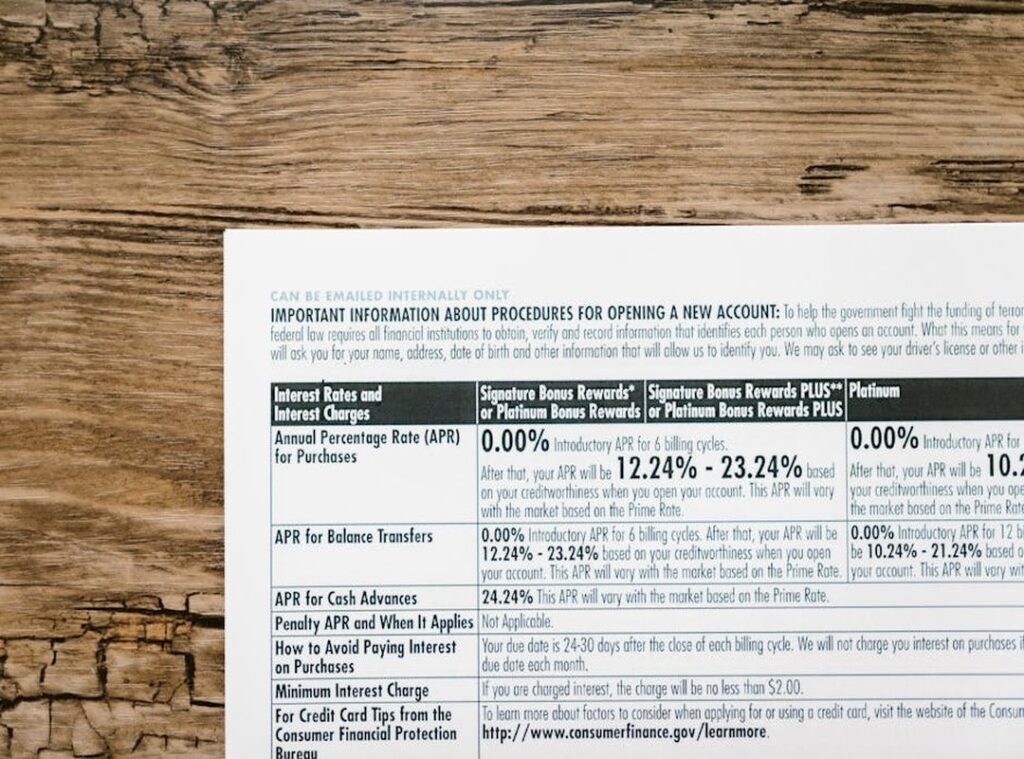

Did you know financial data breaches have surged by 30% in the last year? It’s a staggering number. In our digital world, personal financial information is a prime target for leaks.
The consequences can be devastating. This article will explain what beurette leaks are, how they happen, and give you a simple, actionable checklist to secure your financial data. I’ll keep it practical, no complex jargon.
By the end, you’ll have the confidence and tools to significantly reduce your risk. Let’s get started.
What is a Financial Data Leak? Understanding the Core Concepts
A financial data leak is the unauthorized release of sensitive financial information, like bank account numbers, credit card details, or investment portfolio data. It’s a serious issue that can affect anyone.
There are two main types of leaks: personal and corporate. Personal leaks happen when an individual’s data is compromised through phishing or malware. Corporate breaches, on the other hand, affect millions from a single company hack.
Remember the Equifax breach? That was a massive corporate data leak. It exposed the personal information of over 147 million people.
The impact was huge, with many facing identity theft and financial loss.
For an individual, the consequences can be severe. You might face financial loss, identity theft, and damage to your credit scores. It’s not just a minor inconvenience; it can upend your life.
Thieves are after specific types of data. Social Security numbers, bank login credentials, and credit card information are the most valuable. These pieces of information can be used to open new accounts, make fraudulent purchases, and more.
The thing is, these leaks can happen to anyone. Whether you’re tech-savvy or not, proactive defense is essential. Even if you think you’re safe, a beurette leaks incident can still hit you hard.
Stay vigilant. Regularly check your financial statements and credit reports. Use strong, unique passwords, and enable two-factor authentication wherever possible.
How Your Financial Information is Exposed: The Top 4 Vulnerabilities
Phishing and smishing scams are the most common ways hackers get your info. Fraudulent emails and text messages trick you into giving up your login details. Always verify the sender’s email address before clicking a link.
Malware and spyware are sneaky. They can secretly record your keystrokes and steal passwords. Make sure to use strong, unique passwords and consider a password manager.
Using unsecured public Wi-Fi networks, like at cafes or airports, is a big no-no. Hackers can intercept your data. Use a VPN on public Wi-Fi to stay safe.
Third-party data breaches are a real threat. A company you do business with gets hacked, and your data is exposed. Keep an eye on your accounts and sign up for credit monitoring if it’s offered. beurette leaks
And here’s something you might not hear often: the beurette leaks incident shows how even seemingly secure systems can be compromised. Stay vigilant and update your security practices regularly.
Your Action Plan: 5 Steps to Immediately Fortify Your Financial Security

Step 1: Implement Strong Unique Passwords
I can’t stress this enough. Use a password manager to create and store complex passwords for every financial account. It’s not just about convenience; it’s about security.
According to a study by Google, using a password manager can reduce the risk of a data breach by up to 70%.
Step 2: Enable Two-Factor Authentication (2FA) Everywhere
What is 2FA? It’s an extra layer of security that requires you to provide two forms of identification before accessing your account. This could be a code sent to your phone or an app notification.
Why is it important? Because 2FA makes it much harder for hackers to gain access, even if they have your password. Research shows that accounts with 2FA enabled are significantly less likely to be compromised.
Step 3: Conduct Regular Account Reviews
Set a monthly calendar reminder to review your bank and credit card statements. Look for any suspicious activity. This simple habit can help you catch and address issues early.
For example, a friend of mine noticed a small, unauthorized charge on her statement. She reported it immediately, and the bank refunded the money and closed the compromised account.
Step 4: Freeze Your Credit
A credit freeze restricts access to your credit report, making it harder for identity thieves to open new accounts in your name. It’s a free service offered by the three major credit bureaus: Equifax, Experian, and TransUnion. Freezing your credit doesn’t affect your credit score, but it does add a significant barrier to potential fraud.
Step 5: Be Skeptical of Unsolicited Communication
Never provide personal information in response to an unexpected email, text, or phone call. Scammers often use these methods to trick you into giving them sensitive data. Remember the recent Babylon leaks incident?
It’s a stark reminder of how easily personal information can be misused. Always verify the source and reach out through official channels if you’re unsure.
By following these steps, you’ll be well on your way to securing your financial future.
Taking Control: Your First Line of Defense Against Financial Leaks
While beurette leaks are a persistent threat, you are not powerless against them. Simple, consistent habits like using a password manager and enabling 2FA are the most powerful tools for protection. Proactive defense is far more effective than reactive damage control after a leak has occurred.
Take the next 10 minutes to log into your primary bank account and turn on two-factor authentication. It’s the single most important step you can take today. Financial vigilance is crucial in the modern age.
 Senior Financial Analyst & Investment Strategist
Jyxilon Pell serves as the Senior Financial Analyst at Xuirme Jets, specializing in investment research, financial modeling, and strategic insights. She plays a key role in breaking down market trends, analyzing financial data, and transforming it into clear, actionable strategies for users. Financial analysts are responsible for forecasting, budgeting, and guiding decision-making through data-driven insights.
Senior Financial Analyst & Investment Strategist
Jyxilon Pell serves as the Senior Financial Analyst at Xuirme Jets, specializing in investment research, financial modeling, and strategic insights. She plays a key role in breaking down market trends, analyzing financial data, and transforming it into clear, actionable strategies for users. Financial analysts are responsible for forecasting, budgeting, and guiding decision-making through data-driven insights.