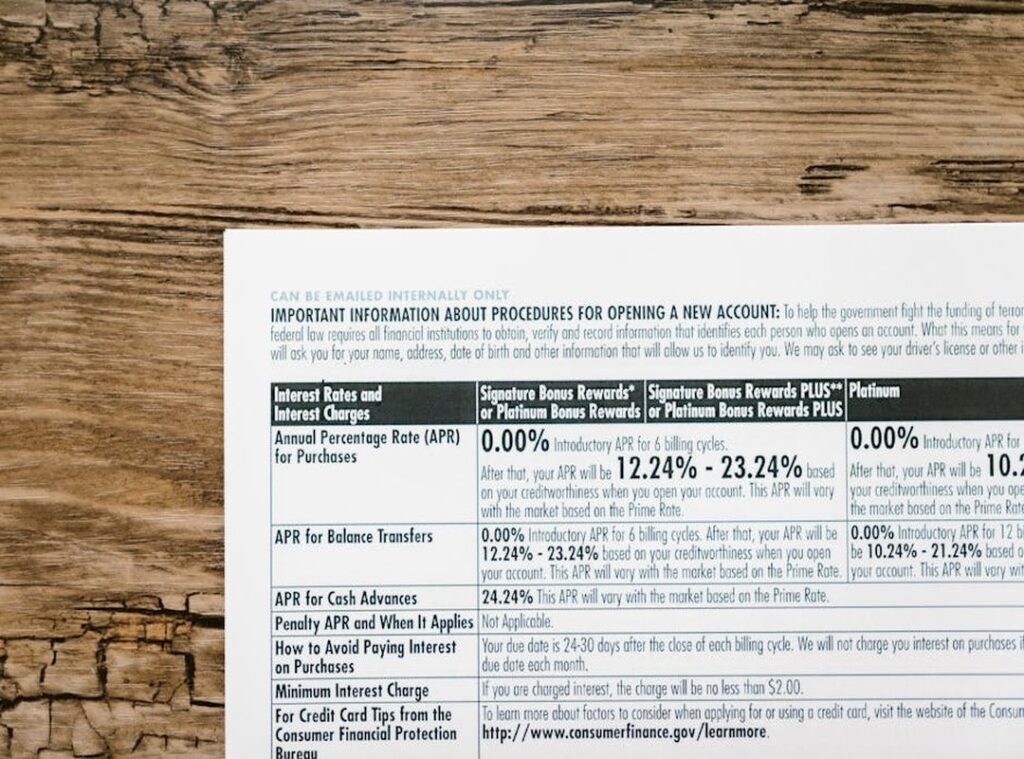

Rising costs are on everyone’s mind. It feels like money is losing value daily, doesn’t it?
Unchecked inflation can silently erode your wealth. It makes financial planning seem like trying to hit a moving target.
You may be wondering how to handle this mess. I get it.
This article dives into the inflation impact finance and what it means for your wallet. I’m drawing on rigorous financial analysis and market insights to cut through the noise. No guesswork here; just solid data that matters.
Understanding inflation is more than just knowing prices are up. It’s about making informed decisions in a turbulent economy. You need to grasp economic indicators so you can respond strategically.
I’ll help you make sense of the financial field affected by inflation. By the end of this article, you’ll have a clear, actionable understanding of its effects and how to protect your assets.
Get ready to take charge of your financial future.
Inflation Unpacked: What It Means for Your Wallet
Inflation can feel like a sneaky thief. It’s the general rise in prices, making your money worth less over time. Why does your coffee cost more now than last year?
Inflation. There are two main culprits: demand-pull and cost-push. Demand-pull happens when too much money chases too few goods (like concert tickets).
What triggers inflation? It can be a wild ride. Supply chain hiccups, government spending, and changes in monetary policy.
Cost-push is when production costs rise, forcing prices up (think of oil prices impacting everything else).
Remember the toilet paper frenzy in 2020? That’s supply chain disruption at work. Inflation’s impact on finance can’t be ignored.
It’s measured using the Consumer Price Index (CPI), which tracks how much prices change for stuff we buy daily.
It’s not just numbers; it affects your daily life. Want to dive deeper? Check out Decoding Global Fiscal Policies to understand the bigger picture.
Inflation’s ripple effects are real, and knowing its causes can help you make smarter financial decisions.
Inflation’s Bite: Money’s Vanishing Act
You ever notice how your money seems to shrink over time? It’s the inflation impact. Inflation is like a sneaky thief, robbing your dollar of its buying power.
A dollar today buys less tomorrow. It’s a harsh reality. Groceries, gas, rent.
Everything creeps up. remember when a loaf of bread wasn’t a small fortune?
Now, let’s talk savings. Cash sitting in a low-interest account is losing value. Inflation outpaces those meager interest rates.
Imagine $10,000 today. Over five years, with a 3% inflation rate, it’s like shredding $1,500. You think you’re saving, but you’re actually losing.
This isn’t just numbers. It’s a psychological game. You feel like you’re running in place, earning more but getting nowhere.
It’s a rude awakening.
Pro tip: consider investments that outpace inflation. Stocks, real estate (anything but cash under the mattress. Inflation is real, and it’s steady.
It’s frustrating. You wonder, “Am I even making progress?” That’s the mind game inflation plays.
We have to outsmart it. After all, who wants to feel poorer tomorrow than they are today?)
Inflation’s Punch on Portfolios
Inflation is that sneaky villain in investment portfolios. (Who saw that coming?) The inflation impact on finance is complex, but let’s break it down. Stocks can be a mixed bag when inflation hits.
Sure, corporations face rising input costs, but some pass these on to consumers. That makes certain sectors more resilient.
Bonds, though, are the ultimate victims. Fixed-income, and inflation? Bad combo.
Property values and rent usually climb with inflation. It’s one of those reliable old friends.
Fixed payments lose real value, and rising rates devalue existing bonds quicker than you’d think. Real estate’s a bit different. It’s got a reputation as an inflation hedge.
Commodities like gold and oil? They’re the stars during inflationary times. Raw material costs go up, and so do their prices.
Diversification is key here. A well-balanced portfolio shields against these changes effectively.
Interested in broader market swings? You might want to check out how we’re Analyzing Market Volatility. These elements tie into each other closely.
In finance, you have to keep your eye on how assets react to inflation. Missing that? Risky move.
It’s all about staying ahead and adapting strategies accordingly.
Inflation and Debt: A Financial Tug-of-War
Inflation’s a sneaky beast, isn’t it? Take fixed-rate debt. If you’ve got a loan locked in at a fixed rate, it’s like you’ve hit the jackpot.
It’s almost like paying less in the long run, though the dollar figures stay the same.
As inflation creeps up, the real value of that debt shrinks. You pay back with what? Inflated dollars.
But hey, let’s not forget about the lenders. They hate losing out. When inflation’s on the rise, they boost interest rates.
Why? To protect against the erosion of repayment value, of course. It makes new loans pricier.
Now, variable-rate loans? Those are another story. Interest rates can climb, and suddenly, your monthly payments aren’t so predictable.
Adjustable-rate mortgages and credit cards are classic examples. It’s a gamble, and not always a fun one.
Not great if you’re planning to borrow anytime soon.
For businesses, assessing the cost of capital in these conditions is tricky. They must weigh real vs. nominal interest rates carefully.
Decisions hinge on this balance. Inflation impact finance, indeed. If inflation keeps climbing, are we all just along for the ride?
Beat Inflation: Protect Your Wealth
Inflation is like that sneaky villain in a movie. You see it coming, but before you know it, it’s all over your finances. So how do we fight it?
Investment diversification is key. Sure, you can buy stocks, but real estate and commodities might shield you better from inflation’s impact. Ever heard of TIPS?
They’re like the secret weapons in your portfolio arsenal.
Identify those money-sucking habits (we all have them). A active budget (that’s the plan) adapts to changing times.
Now, budgeting isn’t just about cutting coupons. It’s about understanding where your money goes. Track spending like a detective on a case.
What about boosting income? Easier said than done, right? But developing skills or diving into side hustles can outrun inflation.
Think of it as adding turbo to your financial car.
This isn’t just theory. Regularly reviewing your plans makes sure you’re prepared for whatever inflation throws your way.
Debt management? Focus on axing high-interest variable debts. Consider fixed-rate loans for a steadier financial path.
Does this sound daunting? Remember, it’s about making smart, informed moves. Inflation impact finance might seem overwhelming, but with the right strategies, you can stay ahead.
Master Your Financial Future
Understanding the inflation impact finance is the first step to securing your financial future. If you ignore inflation, it silently erodes your purchasing power and wealth.
But you don’t have to sit back and let it happen. Proactive strategies like smart investing and careful budgeting can make a big difference.
Have you reviewed your investments lately? What about your budgeting methods? Taking action now can help you protect your wealth from inflation’s grip.
Use the insights you’ve gained to refine your financial planning. Knowledge is power.
Don’t wait for inflation to catch you off guard. Start using these strategies today. The sooner you act, the better positioned you’ll be for lasting financial security.
Your future deserves it.
 Senior Financial Analyst & Investment Strategist
Jyxilon Pell serves as the Senior Financial Analyst at Xuirme Jets, specializing in investment research, financial modeling, and strategic insights. She plays a key role in breaking down market trends, analyzing financial data, and transforming it into clear, actionable strategies for users. Financial analysts are responsible for forecasting, budgeting, and guiding decision-making through data-driven insights.
Senior Financial Analyst & Investment Strategist
Jyxilon Pell serves as the Senior Financial Analyst at Xuirme Jets, specializing in investment research, financial modeling, and strategic insights. She plays a key role in breaking down market trends, analyzing financial data, and transforming it into clear, actionable strategies for users. Financial analysts are responsible for forecasting, budgeting, and guiding decision-making through data-driven insights.