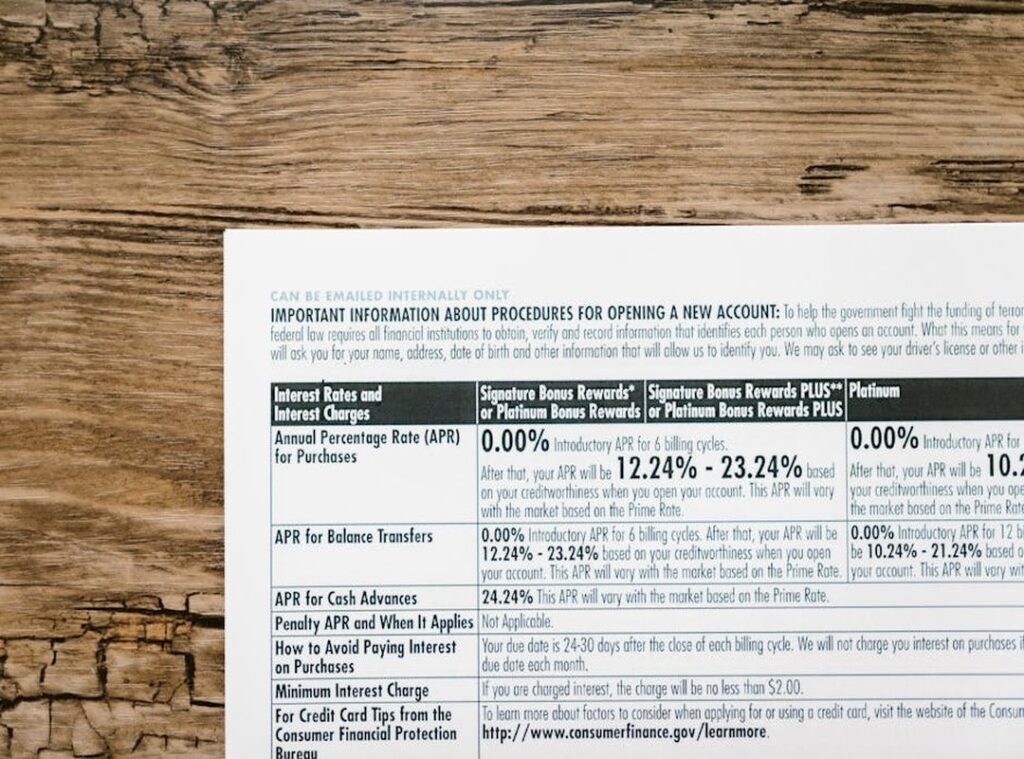

The world of finance can feel like a labyrinth. If you don’t understand global fiscal policies, you could easily find yourself lost. Many people dive into cross-border investments without realizing the risks involved.
I’ve seen it too often: compliance issues and missed opportunities can ruin your plans.
You need clarity to handle these complexities. That’s where informed analysis comes into play. With my experience, I know how key it is to grasp the details of international financial regulations.
This article will demystify those regulations. I’ll provide clear definitions and practical insights that you can actually use. I’m not here to throw jargon at you; I want you to walk away with actionable strategies for preserving and growing your wealth.
If you’re ready to understand and use the global regulatory environment, you’re in the right place. Let’s get started on this journey together.
Cracking the Code: Financial Rules Across Borders
International financial regulations are, simply put, a set of rules and standards governing financial activities across borders. They keep the global economy in check. You might wonder why these are so key.
Imagine the chaos of unchecked transactions (illegal trading, money laundering, financial crises) it’s a wild west out there without rules. These regulations aim for stability, fairness, and integrity.
For wealth builders like us, understanding these rules isn’t just academic. It’s protecting our assets. Compliance means avoiding heavy penalties and making sure our cross-border deals go smoothly.
Ever tried transferring money overseas? It’s not just about sending and receiving. A simple wire transfer can become complex with multiple layers of regulations affecting speed, cost, and even legality.
These global fiscal policies cover many areas: banking, securities, insurance, and even the ever-hard to find digital assets (which keep regulators on their toes). The scope is vast, but so is the potential for savvy investors who play by the rules.
Frustrating, right?
Regulations matter for our wallets and peace of mind. We don’t need more anxiety about where our investments stand. The financial field is tough enough.
Handling it with the right knowledge? That’s power. Maybe not as thrilling as the next big investment, but grounding ourselves with these regulations is a solid strategy.
And who doesn’t want stability in their wealth-building journey?
So, are you ready to dive into this world? It might not be flashy, but it’s important for anyone serious about global investing.
Global Finances: Who Calls the Shots?
Ever wonder who really holds the cards in global fiscal policies? Let’s dive into it. The International Monetary Fund (IMF) is a big deal here, providing financial stability and policy advice worldwide.
When the IMF speaks, countries listen. That’s power.
Then there’s the Financial Action Task Force (FATF). You’ve heard about Anti-Money Laundering (AML) and Counter-Financing of Terrorism (CFT), right? Well, FATF sets the standards for those.
Their rules affect banks and people globally. Breaking them? Not an option.
The Basel Committee on Banking Supervision (BCBS) and its Basel Accords are all about bank capital requirements and risk management. These aren’t just buzzwords. They’re the backbone of global financial partners’ stability.
Without the BCBS, banking would be a wild west.
On the securities market front, the International Organization of Securities Commissions (IOSCO) makes sure fairness and investor protection. Think of it as the watchdog keeping the stock market honest. Without IOSCO, it’d be chaos.
And let’s not forget the Financial Stability Board (FSB). They coordinate regulatory policies, tying everything together. It’s like a web (but not the fun kind).
These bodies collaborate, influencing national regulations. Investors, especially prudent ones, must handle this web wisely.
For more on how these shifting dynamics shape economics, check out the Insights Economic Shifts. Understanding this stuff isn’t just smart. It’s important.
Do you see now? These organizations aren’t just paper pushers. They’re the architects of the financial world.
Handling AML/CFT and Sanctions: Investor Essentials
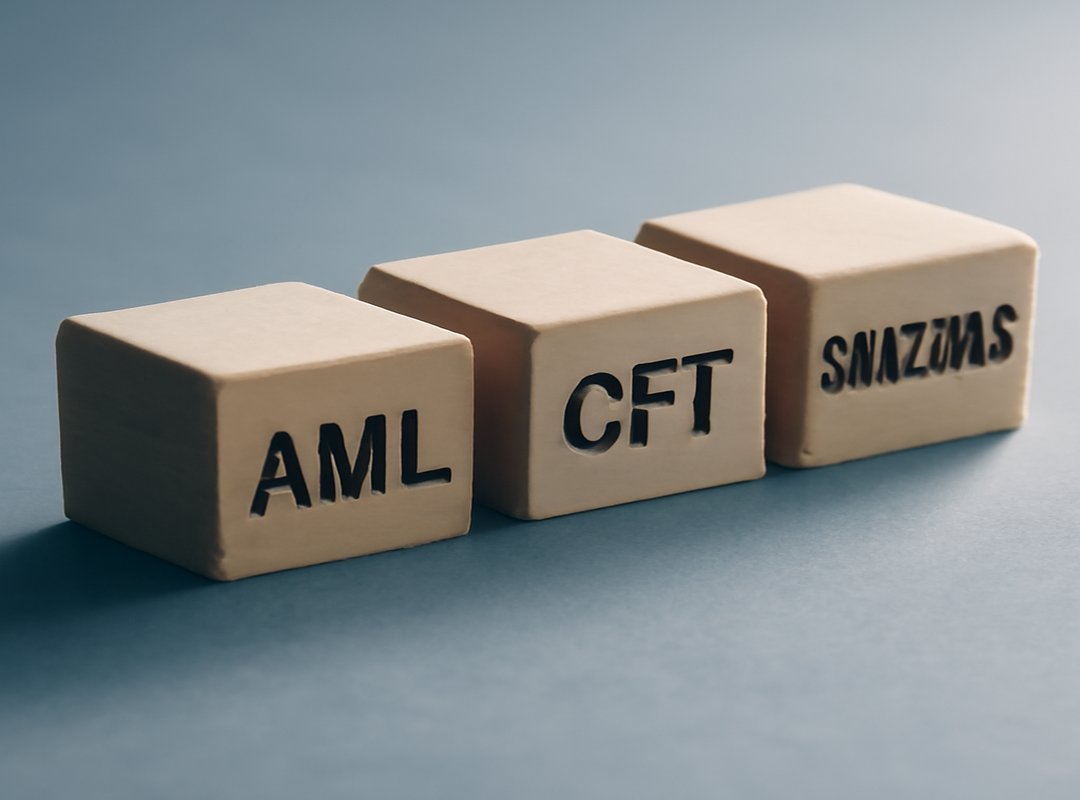
Let’s talk about something that can make you sweat: AML/CFT compliance. If you’re in finance, you know “Know Your Customer” (KYC) is more than just a catchy slogan. It’s how banks know you’re not laundering money or financing terrorism.
Financial institutions take this seriously. Not following these protocols can slam doors shut when you’re opening accounts or processing transactions. Why?
Because regulators hate surprises.
International sanctions are another beast. When the UN or US OFAC says you can’t deal with certain countries or people, they mean it. Breaking these rules isn’t just risky; it can get you hit with massive fines.
No one wants that, right?
Now about cross-border capital flows. If you’re moving money globally, you’ve got to understand reporting requirements like FinCEN Form 114. Ever heard of currency controls?
They can trip you up if you’re not careful. Always trace your funds back to legitimate sources.
Beneficial ownership is another term that matters. It’s about knowing who really owns what. Regulators are obsessed with transparency, and for good reason.
This fight against illicit finance is hardcore. If you don’t dig into your partners and understand risks, you’re playing with fire.
Pro tip: Work with reputable financial advisors to safeguard your wealth. Seriously, it’s worth it.
If you’re curious about how these elements affect investments, you might want to check out analyzing market volatility. It’s a complex dance with global fiscal policies. Stay savvy, and remember, the financial world isn’t for the faint of heart.
Tax Compliance: Handling the Digital Maze
The digital world is a minefield for tax compliance. With the Foreign Account Tax Compliance Act (FATCA) and the Common Reporting Standard (CRS), we’re in a new era of reporting foreign financial assets. It’s a lot to handle.
FATCA demands transparency from U.S. taxpayers holding overseas assets, while CRS takes a broader aim, affecting non-U.S. citizens too.
Tax treaties are another lifeline. How many of us have scratched our heads over double taxation? These treaties help, offering clarity for international investors.
You can’t just wing it, though. Expert advice is important because these documents are not light reading.
Digital assets add another layer to this complex puzzle. Cryptocurrencies and NFTs are shaking things up. But here’s the kicker: there’s no uniform regulation globally.
Some countries ban them outright, others embrace them. The risks? They’re real and often overlooked by the uninitiated.
Central Bank Digital Currencies (CBDCs) are coming in hot. They promise to simplify cross-border payments but could also upend financial privacy. The potential shift in regulatory frameworks?
In this volatile field, staying informed is half the battle. We need to diversify strategies and seek specialized counsel. This isn’t just about surviving but thriving in a tech-driven financial environment.
It’s like trying to predict the weather.
Global fiscal policies are in constant flux, and if you blink, you’ll miss a key change.
So, are you prepared for the future? Or are you still stuck in last year’s regulatory mindset?
Protecting Your Wealth in a Complex World
Understanding international financial regulations matters. Ignorance can lead to huge financial losses, legal penalties, and damage to your reputation. It’s time to take this seriously.
By embracing a prudent approach to global fiscal policies, you can handle risks and seize opportunities.
You need to seek expert advice and conduct thorough due diligence. Don’t wait until it’s too late. Make regulatory awareness a part of your investment strategy.
Continuous learning is important for success in international finance.
So what are you waiting for? Take control now. Start planning your financial future today.
 Founder & Chief Executive Officer (CEO)
Eldrin Selmorne is the visionary founder of Xuirme Jets, shaping its direction as a finance intelligence and strategy platform. With a strong background in financial systems and investment thinking, he leads the company’s long-term vision and growth strategy. As CEO, he oversees operations, partnerships, and innovation, ensuring the platform delivers high-value insights and actionable financial knowledge.
Founder & Chief Executive Officer (CEO)
Eldrin Selmorne is the visionary founder of Xuirme Jets, shaping its direction as a finance intelligence and strategy platform. With a strong background in financial systems and investment thinking, he leads the company’s long-term vision and growth strategy. As CEO, he oversees operations, partnerships, and innovation, ensuring the platform delivers high-value insights and actionable financial knowledge.