The world is changing fast, and it’s hard to keep up. You feel the shifts in your wallet, your investments, and your everyday life. Have you noticed how economic shift insights can help you make sense of it all?
I believe understanding these changes isn’t just smart (it’s necessary. We’re talking about real money, real opportunities, and real threats. This article dives deep into the latest economic trends and their implications for your financial strategy.)
I’ll share what I’ve learned from experts and data, so you can make informed decisions about your investments. You want to know what’s coming next, and I get that.
By the end, you’ll have a clearer picture of how to handle this economic field. You deserve insights that help you to act, not just react. Let’s break down the complexities together and get you on the right path.
Economic Shifts: Why They Matter
Economic changes are like the weather. Sometimes sunny with growth, other times stormy with inflation or unemployment spikes. When I say “economic changes,” I mean shifts in growth, inflation, employment, and interest rates.
These aren’t just abstract concepts. They hit us where it hurts (or helps), like in our wallets.
Why should you care? Simple. These changes affect job prospects, purchasing power, savings growth, and investment returns.
Or remember the recession that slowed business activities? It affected everything from jobs to investments.
Understanding these shifts is key. It’s not about reacting to sensational headlines but about making informed choices. Want to make better financial decisions?
If inflation rises, your dollar buys less. Ever noticed prices creeping up at the grocery store? That’s inflation nibbling away at your purchasing power.
Start by grasping these basics.
I know, it’s tempting to ignore economic jargon. But here’s the thing: a little knowledge goes a long way. Being informed allows you to anticipate rather than react.
That’s where economic shift insights come into play.
Cracking the Code: Signals of Economic Change
Economic indicators are like those cryptic signals in spy movies (important yet often misunderstood. These data points offer economic shift insights. They’re the clues that tell us if the economy is on the mend or spiraling down.)
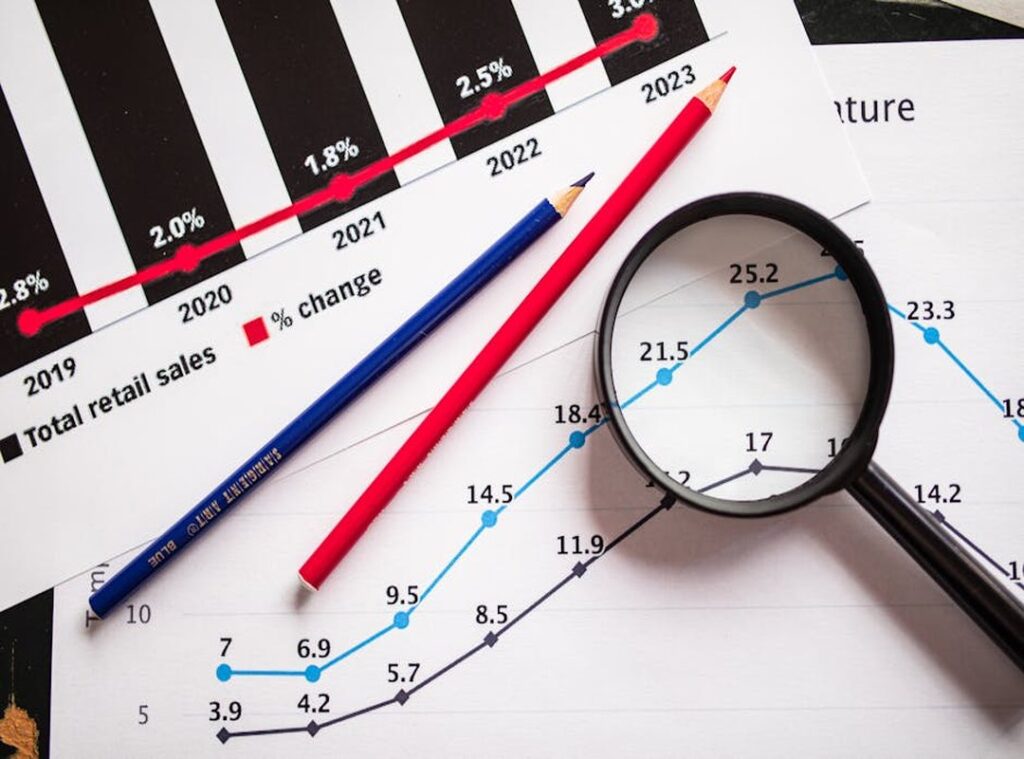
First up, Gross Domestic Product (GDP). It’s the total value of all goods and services produced. Think of it as the pulse of economic health.
A rising GDP? That means growth. A drop?
Not so great. It’s like watching your favorite sports team win or lose (and we all know how that feels).
Unemployment Rate is next. It’s the percentage of the workforce that’s jobless. High unemployment?
Then there’s the Inflation Rate, measured by the Consumer Price Index (CPI). Inflation tells you how fast prices are climbing. High inflation can erode your savings faster than a kid with a candy stash.
That’s a red flag waving. It affects consumer confidence and stability.
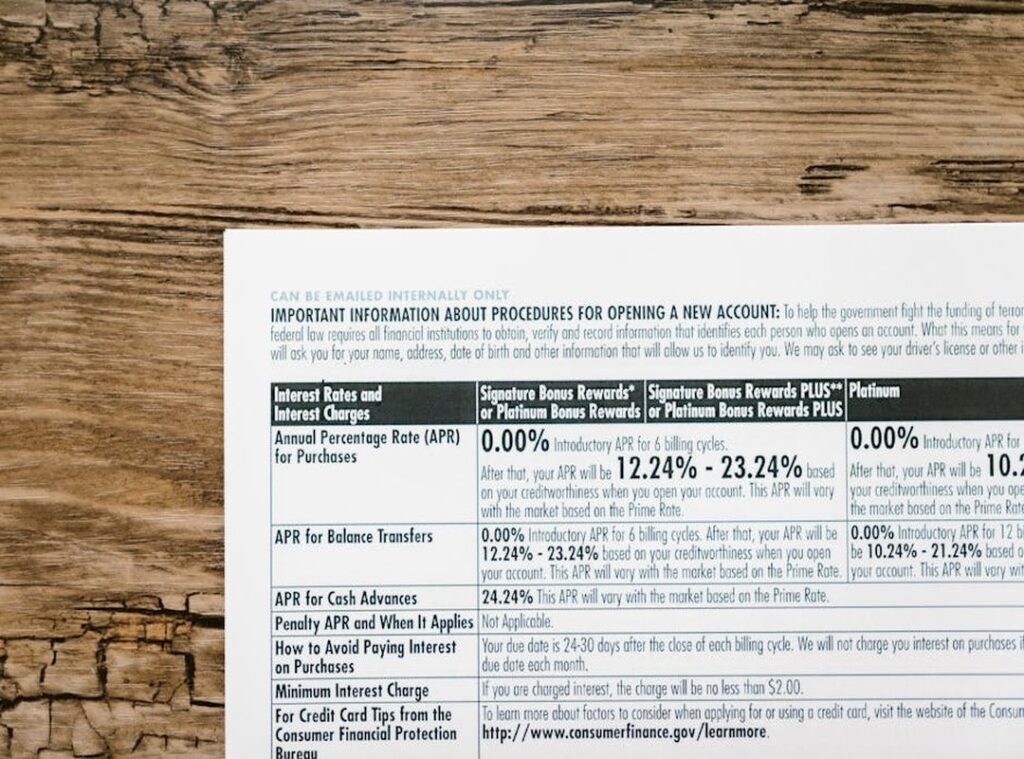
And let’s not forget Interest Rates, set by central banks. They dictate borrowing costs and savings returns. High rates can deter spending but encourage saving.
For more on how these factors fit into the global picture, check out decoding global fiscal policies.
Personal Finance: Riding the Waves of Change
I’ve seen how economic shifts can hit personal finances. Inflation sneaks up, reducing the real value of our savings. It’s like watching your ice cream melt on a hot day.
It hurts. But it’s not just savings. Rising interest rates make mortgage payments and credit card debt a nightmare.
It’s a double whammy.
Inflation also eats away at purchasing power. Groceries, gas, even a cup of coffee, everything costs more. I’ve had to adjust my budget to keep up.
Have you felt that pinch too? It’s frustrating. But understanding these economic shift insights can help us handle the storm.
Income and job security aren’t immune either. Economic downturns can lead to job losses. It happened to me once, and it wasn’t pretty.
But a strong economy can open doors. More jobs, better pay.
So, what’s my advice? Focus on paying off high-interest debt when rates rise. Adjust your budget to fight inflation.
Stay informed. Analyzing Market Volatility can help make sense of these changes. It’s a game of strategy.
But with the right moves, we can weather these financial storms.
Investment Strategies: Riding the Economic Waves
When you’re staring down an unpredictable economic field, investment strategies need a makeover. Economic shifts hit different asset classes in unique ways. Growth stocks might shine in expansion, while defensive stocks hold steady during downturns.
Inflation? Think assets that hedge against it. Bonds, real estate, these are players whose values fluctuate with interest rates.
It’s like a constantly changing board game (one you can’t ignore).
What’s the secret sauce? Diversification. By spreading investments across different asset classes, you mitigate risk.
It’s a proven tactic, one investors can’t overlook. But don’t just react on impulse to every news headline. Keep a long-term view, because short-term chaos often fades.
Real wisdom is in knowing when to hold steady and when to pivot.
Does an “economic power shift” influence your strategy? Absolutely. To grasp this economic power shift – sydney business insights (sbi), you need to consider how evolving trends play out.
Professional insights offer guidance, but remember, it’s about reading the trends, not racing to conclusions. Position your portfolio for both stability and growth. Adjusting investments isn’t about chasing the latest fad.
It’s about staying informed and making informed decisions. After all, economic shift insights are key in shaping your financial future.
Future-Proofing Your Finances: Stay Ahead
Financial resilience starts with a strong emergency fund. We’re talking 3-6 months of expenses (your safety net for unexpected storms. Now, you might wonder, why so much?
Economic shifts aren’t predictable. Insights from past downturns show those with savings weather the storm better.)
Think about diversifying your income. Relying on one job or source? Risky.
Explore side gigs or passive income. It’s like having a backup parachute. When one source dries up, you’re not left hanging.
Be proactive. Trim unnecessary expenses and set realistic financial goals. Adjust, adapt, repeat.
Regularly reviewing your budget is non-negotiable. Economic realities change. So should your spending habits.
Education is power, especially in finance. Stay informed about economic trends. Watch for red flags in the market.
Knowledge isn’t just power. It’s also peace of mind.
At the core, proactive planning, armed with solid economic shift insights, is your key to handling an unpredictable financial future. It’s about staying a step ahead, not just reacting. Does this sound like a lot?
Maybe. But building resilience isn’t a sprint. It’s a marathon.
And in the long run, you’ll thank yourself for it.
Handling Economic Changes with Confidence
Economic uncertainty can feel overwhelming. I get it. This article laid out clear economic shift insights to help you handle through the chaos.
Understanding economic indicators helps you to make confident financial decisions.
You can’t afford to be passive. Regularly monitor those economic signals. You need to review and adapt your financial plans.
Ignoring these shifts puts your future at risk.
Consider seeking professional financial guidance tailored to your needs. Informed action is your best defense against volatility.
You have the tools now. Use them. Don’t wait for the next economic shift to catch you off guard.
Take control of your financial future today. Start making decisions that will secure your financial well-being. Reach out for help if you need it.
Your future self will thank you.
 Senior Financial Analyst & Investment Strategist
Jyxilon Pell serves as the Senior Financial Analyst at Xuirme Jets, specializing in investment research, financial modeling, and strategic insights. She plays a key role in breaking down market trends, analyzing financial data, and transforming it into clear, actionable strategies for users. Financial analysts are responsible for forecasting, budgeting, and guiding decision-making through data-driven insights.
Senior Financial Analyst & Investment Strategist
Jyxilon Pell serves as the Senior Financial Analyst at Xuirme Jets, specializing in investment research, financial modeling, and strategic insights. She plays a key role in breaking down market trends, analyzing financial data, and transforming it into clear, actionable strategies for users. Financial analysts are responsible for forecasting, budgeting, and guiding decision-making through data-driven insights.